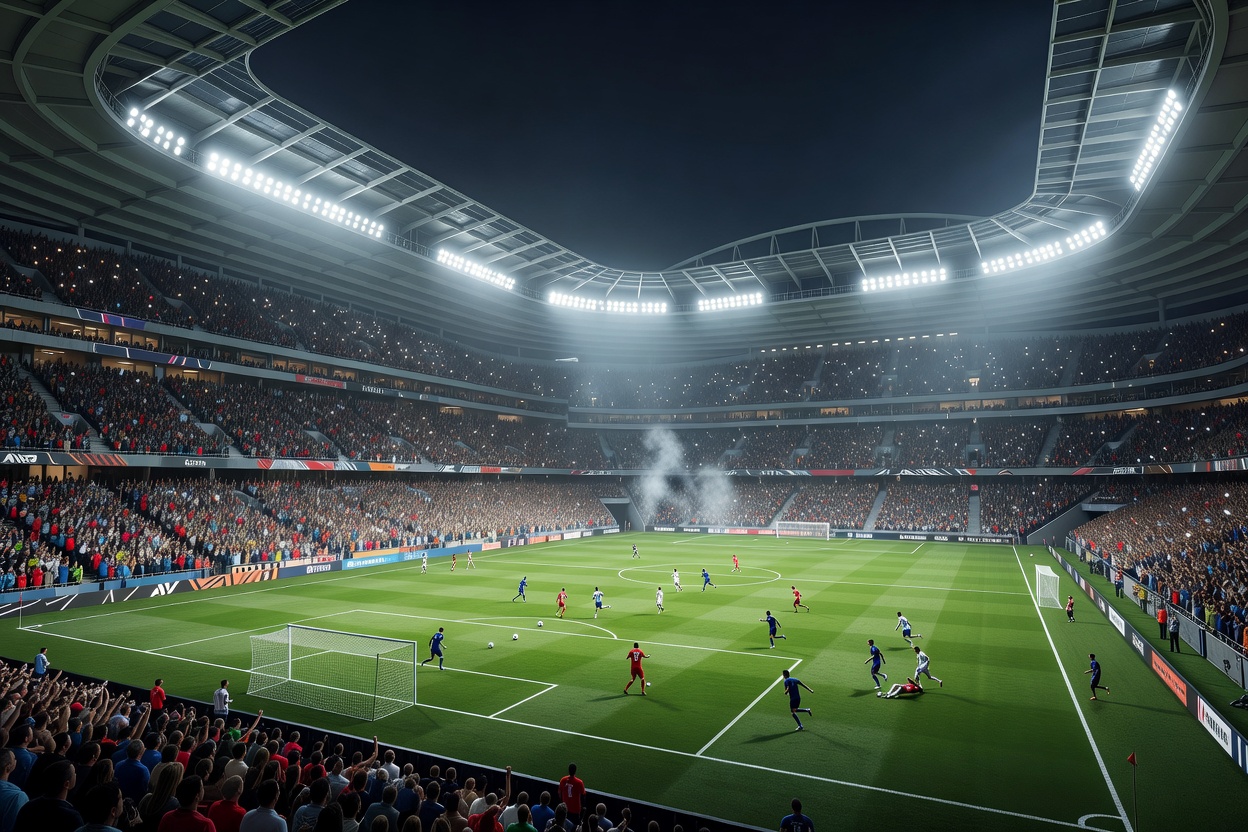
Arrival begins outside
The approach can set the mood before a visitor reaches the turnstiles. Some grounds sit among established streets, while others are surrounded by broad plazas or integrated into a larger district. Follow the public route rather than cutting across restricted spaces, and check local travel and event guidance before setting out. Pedestrian movement may be managed differently on matchdays than on an ordinary day.
Arriving with time to spare gives you room to find the correct entrance, use facilities and take in the setting. The appropriate buffer depends on the venue’s entry instructions, your transport plan and any access requirements. Check current operator guidance for security procedures, gate opening information and permitted items; these details can change.
Entrances and circulation
At the entrance, ticket checks and security procedures may divide visitors by gate, stand or ticket type. Have the correct ticket available and follow the stewards’ directions. Inside, the concourse acts as a hinge between the outside and the seating bowl. Its proportions, signage and sightlines determine whether visitors can orient themselves or need to pause and study a plan.
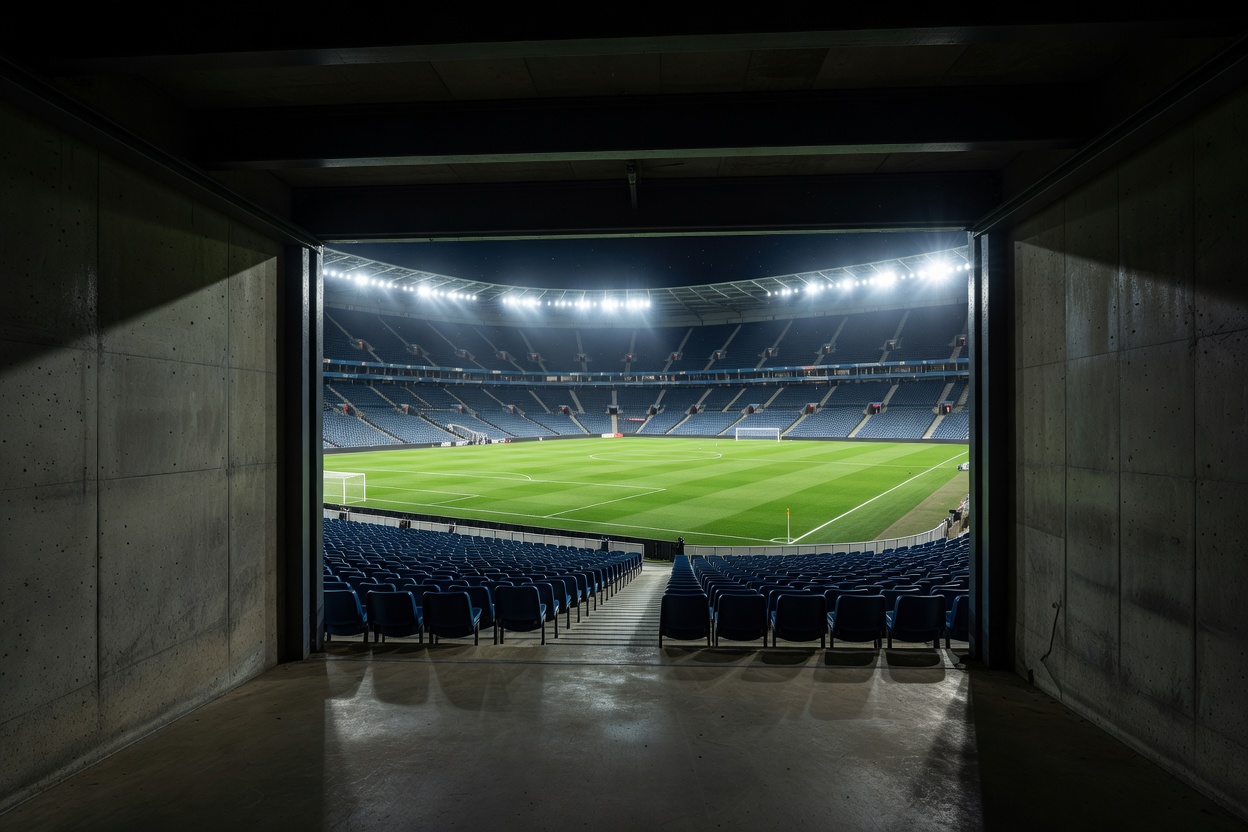
The view from the seat
A seat is more than a coordinate on a plan. Distance, height, roof cover, aisle position and the shape of the stand all affect the experience. Some visitors prefer the closeness of a lower tier; others value a higher perspective that makes patterns across the pitch easier to follow. Screens, barriers and structural elements may affect particular blocks, so consult the venue’s seat-specific guidance when selecting tickets.
Atmosphere also varies by section and event. Supporter traditions, local customs and stadium acoustics can shape how sound travels. Visitors should follow any section-specific guidance, respect those around them and avoid obstructing views with flags, phones or prolonged standing where that affects others.
Pre-match routines and supporter spaces
Before a game, people may meet near the stadium, visit a club shop or find refreshments. The places available and rules around them differ widely. Observe local instructions and be considerate around homes, businesses and public routes. If you are unfamiliar with a city, identify a meeting point and a route back to your accommodation in advance; mobile networks and crowd movement can make last-minute coordination difficult.
Supporter sections can have their own conventions. A visitor should not assume that every stand offers the same atmosphere or that every gesture is welcome in every context. Pay attention to signs, staff direction and local norms. Respectful observation is a better guide than trying to imitate behaviour you do not understand.
Tours and non-matchday visits
Some stadium operators offer guided or self-guided tours, museum-style displays or other non-matchday experiences. These can reveal spaces and stories that are not part of an ordinary ticketed event. Availability, routes, access and advance booking requirements are venue-specific and may change around fixtures or private events. Confirm details directly before making a journey, especially if a tour is the main purpose of your trip.
A non-matchday visit often allows more time to notice the architecture and read interpretive material, but it may not provide access to every stand or operational area. The route can be restricted for safety or event preparation. Treat staff instructions and closed-door signs as definitive.
Considerate visiting and sensory comfort
Plan the complete visit rather than focusing only on the viewing place. Consider the path from transport to entrance, step-free routes, toilets, food options, seating position and access to assistance. Venue guidance should explain how to discuss individual requirements. Different stadiums use different booking processes, so make contact early when clarification is needed.
Photographs can record rooflines, details and the overall setting, but personal-device rules differ by event. Avoid blocking aisles or sightlines, photographing people in a way that intrudes on their privacy, and entering restricted spaces for a better angle. During active play, give attention to the event and those around you. A useful visitor experience balances curiosity with care for the venue and its community.