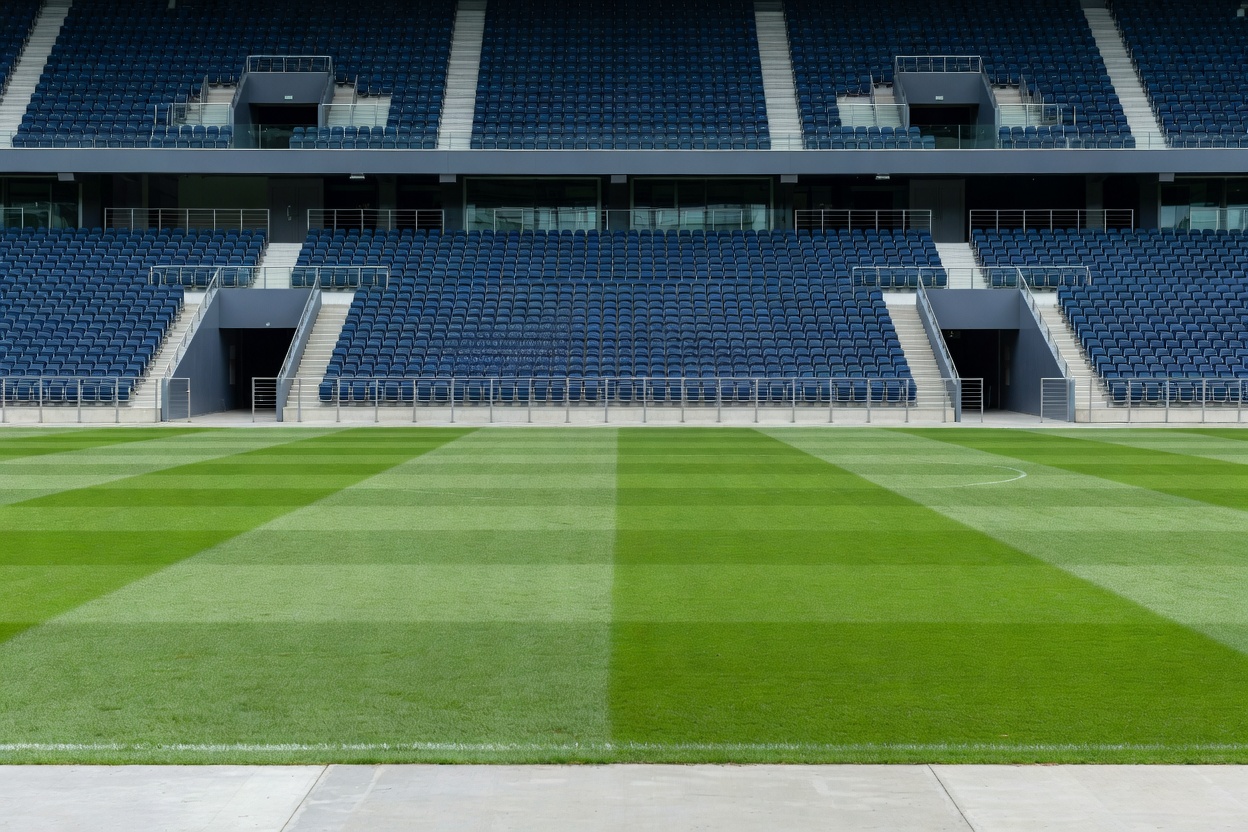
Entrances, checks and wayfinding
A stadium’s arrival sequence usually begins well before the turnstile. Visitors may pass through an external approach, a ticket check or security screening, then enter a particular gate or sector. The exact order and permitted items vary by venue and event, so the operator’s current guidance should take priority over general advice. Allowing time for checks reduces the pressure of arriving close to kick-off.
Clear signs should connect the gate to the right block, concourse and row. Numbering systems are not universal: a venue may use letters, colours, stand names or a mixture. Keep the ticket accessible and check the stadium map in advance. If the route is confusing, ask staff rather than entering a restricted area or following crowd movement without checking your destination.
Seating and the concourse
Seating ranges from standard reserved places to premium, family or other designated sections. The available categories and their precise features are venue-specific. When choosing a place, consider more than the view: step-free access, proximity to facilities, aisle position, roof coverage and any restrictions shown on the official seating plan can matter just as much.
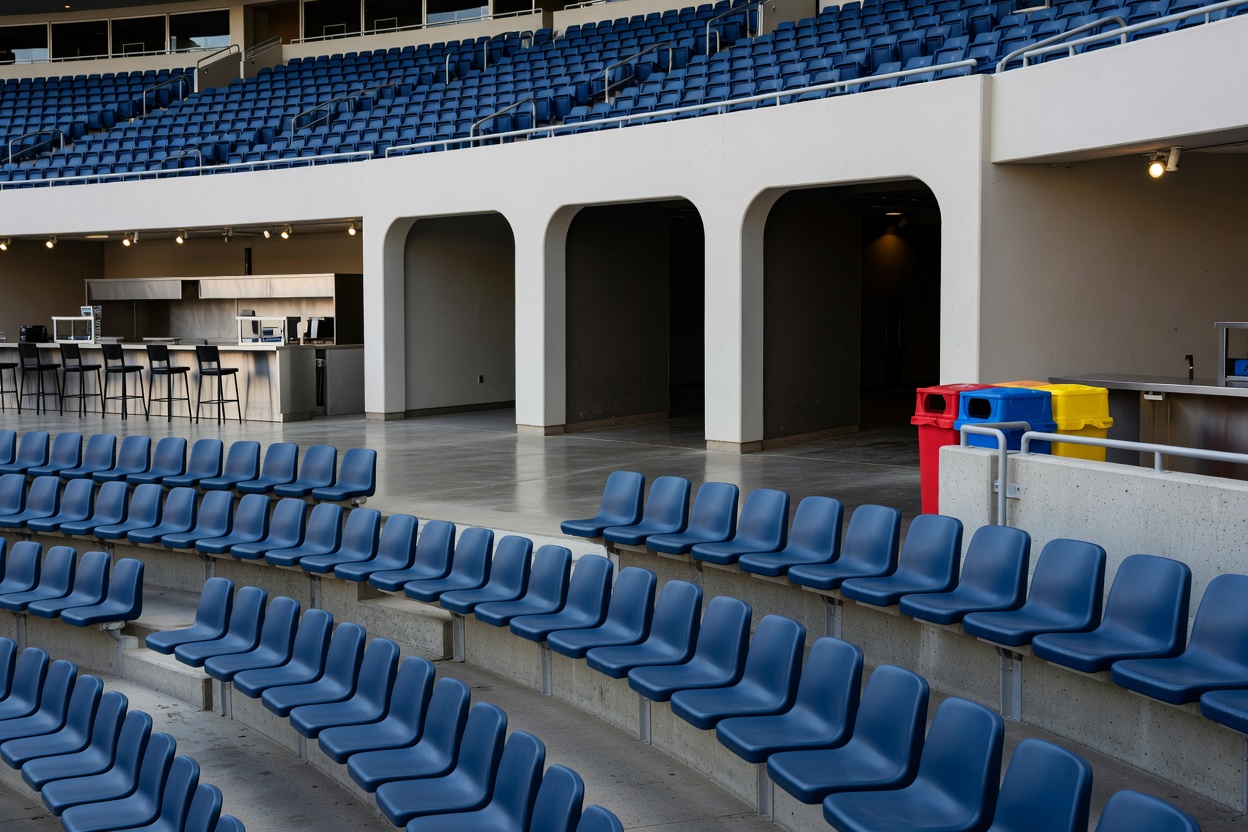
Concourse design affects how visitors move at busy moments. A broad, clearly signed space can provide room to reach refreshments, toilets and seating sectors. Older or constrained grounds may have narrower routes or more varied layouts. Congestion patterns depend on attendance and event operations; do not assume the experience will be identical at every fixture.
Food, drink and visitor services
Food and beverage options can differ between stands, concourses and hospitality spaces. Menus, payment methods, availability and permitted items change, so check official event information where these details matter. Consider when you intend to eat: arriving early may give you more flexibility than joining queues during the busiest pre-match interval.
Other visitor services may include information points, first aid, lost-property assistance and merchandise shops. Museums and stadium tours, if available, often operate separately from matchday access and can require advance planning. Confirm opening arrangements directly with the venue instead of treating a past listing as current.
Accessibility as part of the route
Accessibility is not just a seat category. It includes how a visitor approaches the site, enters the building, moves between levels and reaches toilets, refreshment points and assistance. Provision varies, and some services may need to be arranged with the venue in advance. Look for the operator’s accessibility guide, contact details and seating information before booking. Ask focused questions about the complete journey—transport stop, entrance, viewing place and facilities—rather than relying on a single label.
Step-free routes, companion arrangements, sensory information and assistance services are not identical across grounds. A stadium may have accessible features that are easiest to use from a particular gate or sector. Confirm any requirements directly with the relevant operator, and allow time for a response before travel.
Hospitality and family spaces
Hospitality lounges and premium seating are designed for a different style of visit from general admission. Their access rules and included services vary, and a hospitality ticket does not automatically imply a particular view or level of service. Media areas, team facilities and working zones are generally restricted; visitors should follow staff direction and posted boundaries.
Some venues provide family-oriented spaces or services, but availability and matchday arrangements differ. Check age guidance, entry requirements and any restrictions before setting out with children. Weather protection, hearing protection, toilet location and a meeting point can be useful considerations even where a venue offers dedicated family facilities.
A useful pre-visit checklist
- Confirm the correct gate, block and entry instructions on your match pass.
- Review venue rules, accessibility information and permitted-item guidance.
- Check whether tours, museums or retail areas require separate timed arrangements.
- Keep an offline or paper copy of ticket and transit details accessible.
Facilities are most useful when understood as a connected system. A seat, service point or accessible entrance only works well for a visitor when the route between them is clear and suitable for their needs.